
How we can
Write a proposal?

Identify project requirements, collect data, and analyze the best solutions for successful proposal development.
Understanding the problem
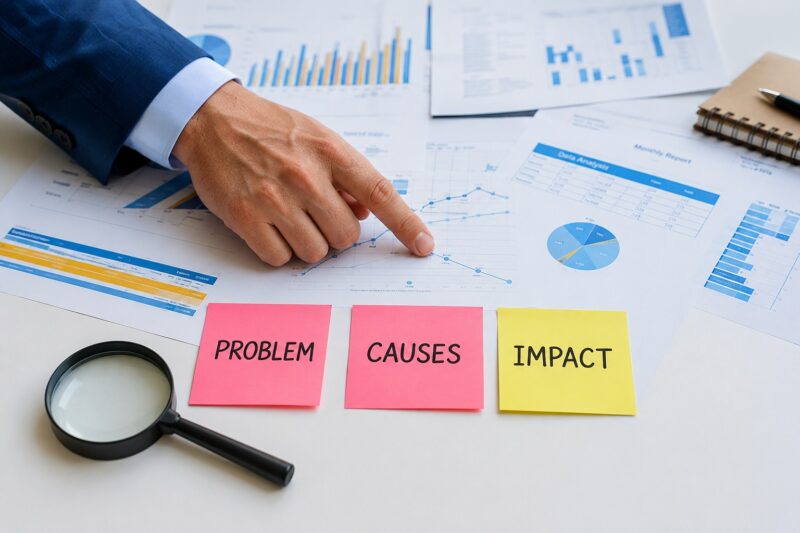
Research and analysis

How We Can Prepare a Professional Proposal
In today’s competitive business environment, preparing a professional proposal is one of the most important skills for companies, engineers, consultants, researchers, contractors, and business owners. A well-written proposal can help you win projects, attract investors, secure clients, gain research funding, establish business partnerships, and present innovative ideas in a professional format. Whether you are preparing a construction proposal, engineering proposal, business proposal, research proposal, grant proposal, or technical proposal, the quality of your document can directly affect your success.
A professional proposal is much more than a simple document. It is a strategic communication tool that explains a problem, presents a solution, demonstrates expertise, and convinces the reader that your company or team is the best choice for the project. Many businesses fail to win opportunities not because they lack technical skills, but because they cannot clearly explain their value through a strong proposal.
This guide explains step by step how to prepare a professional proposal for an issue, project, idea, or interesting subject. It covers proposal structure, planning, writing techniques, presentation methods, SEO-friendly business strategies, and professional tips that can help companies improve their success rate and reputation.
What Is a Professional Proposal?
A professional proposal is a structured document prepared to offer a solution to a problem, present an idea, or explain how a project can be completed. It is commonly used in industries such as engineering, construction, technology, education, manufacturing, research, architecture, healthcare, and business consulting.
The main purpose of a proposal is to persuade the reader that your idea, service, or solution is valuable, practical, and professionally developed.
A proposal usually includes:
- Problem identification
- Objectives
- Proposed solution
- Methodology
- Timeline
- Budget
- Technical details
- Benefits
- Company profile
- Conclusion
Professional proposals are used for:
- Engineering projects
- Construction tenders
- Business partnerships
- Investment opportunities
- Research grants
- Product development
- Government contracts
- Technical consultancy
- University collaborations
- Innovation and invention projects
Why Professional Proposals Are Important
A professional proposal can significantly improve business growth and project opportunities. Companies with strong proposal-writing skills often secure more clients and develop stronger professional reputations.
Some major benefits include:
Winning More Projects
A clear and professional proposal increases trust and confidence. Clients are more likely to select companies that present organized, detailed, and practical solutions.
Demonstrating Expertise
A proposal shows technical knowledge, industry experience, innovation capability, and professional communication skills.
Improving Business Reputation
Professional documents create a strong image for your company and improve your brand identity.
Attracting Investors and Partners
Well-prepared proposals can help attract investors, research collaborators, universities, and industrial partners.
Reducing Project Risks
A detailed proposal identifies risks, timelines, resources, and technical requirements before the project starts.
Step 1 – Understanding the Problem or Opportunity
The first and most important step in proposal preparation is understanding the issue or opportunity.
Before writing anything, you must clearly identify:
- What is the problem?
- Why is it important?
- Who is affected?
- What are the current limitations?
- Why is a solution needed?
- What benefits can be achieved?
For example:
- A structural engineering company may identify concrete cracking problems in bridges.
- A painting company may identify poor surface durability in industrial facilities.
- A research company may identify sustainability challenges in construction materials.
- A technology company may identify inefficiencies in manufacturing systems.
Understanding the problem deeply helps create a proposal that is relevant, focused, and convincing.
Step 2 – Conducting Detailed Research
Research is the foundation of every successful proposal. Without proper research, the proposal may appear weak, unrealistic, or incomplete.
Research should include:
Industry Research
Understand industry trends, standards, regulations, technologies, and market demands.
Technical Research
Collect technical information, engineering data, design standards, specifications, and scientific evidence.
Competitor Analysis
Study how competitors solve similar problems and identify opportunities for improvement.
Client Requirements
Understand exactly what the client or organization needs.
Market Demand Analysis
Evaluate whether there is a real demand for the proposed idea or service.
Professional research improves the accuracy and credibility of your proposal.
Step 3 – Defining Clear Objectives
Every proposal must include clear objectives.
Objectives explain what the project aims to achieve.
Good objectives should be:
- Specific
- Measurable
- Realistic
- Relevant
- Time-based
Examples of proposal objectives:
- Improve structural durability by 30%
- Reduce maintenance costs
- Increase productivity
- Develop sustainable construction methods
- Improve energy efficiency
- Create safer working environments
- Develop innovative engineering systems
Clear objectives make proposals more professional and easier to evaluate.
Step 4 – Identifying the Target Audience
Understanding your audience is essential when preparing a professional proposal.
Different audiences require different writing styles and technical levels.
For example:
Technical Audience
Engineers, researchers, scientists, and consultants may require detailed technical explanations, calculations, standards, and data.
Business Audience
Managers, investors, and company directors may focus more on profitability, efficiency, return on investment, and commercial benefits.
Government Organizations
Government proposals usually require compliance with regulations, standards, safety requirements, and sustainability goals.
Universities and Research Institutions
Academic proposals may focus more on innovation, methodology, research outcomes, and scientific contribution.
Knowing your audience helps you prepare the proposal in the most effective way.
Step 5 – Creating a Professional Proposal Structure
A professional structure improves readability and organization.
A standard proposal structure may include the following sections:
1. Cover Page
The cover page should include:
- Proposal title
- Company name
- Logo
- Date
- Contact information
A clean and modern cover page creates a strong first impression.
2. Executive Summary
The executive summary is one of the most important sections.
It provides a short overview of:
- The problem
- Proposed solution
- Benefits
- Project importance
This section should be clear, professional, and engaging.
3. Introduction
The introduction explains:
- Background information
- Industry context
- Current challenges
- Project importance
A strong introduction captures attention and builds interest.
4. Problem Statement
This section clearly defines the issue or challenge.
A good problem statement includes:
- Existing limitations
- Technical challenges
- Financial impacts
- Operational difficulties
- Safety concerns
- Environmental issues
The reader must fully understand why the project is necessary.
5. Proposed Solution
This is the core of the proposal.
Explain exactly:
- What solution you offer
- How it works
- Why it is effective
- Why it is better than alternatives
Use diagrams, technical explanations, and practical examples where possible.
6. Methodology
The methodology explains how the project will be implemented.
This section may include:
- Design process
- Engineering analysis
- Material selection
- Construction procedures
- Testing methods
- Data analysis
- Quality control
- Safety procedures
A detailed methodology demonstrates professionalism and technical competence.
7. Timeline
The project schedule should include:
- Project phases
- Milestones
- Estimated completion dates
- Key activities
A realistic timeline improves trust and project planning.
8. Budget and Cost Analysis
The budget section explains estimated costs.
It may include:
- Material costs
- Labor costs
- Equipment costs
- Engineering services
- Testing expenses
- Transportation
- Installation
- Maintenance
Transparent budgeting improves credibility.
9. Risk Assessment
Every project has risks.
Professional proposals should identify:
- Technical risks
- Financial risks
- Environmental risks
- Safety risks
- Operational risks
Also explain mitigation strategies to reduce those risks.
10. Company Profile
This section introduces your company.
Include:
- Company experience
- Technical expertise
- Previous projects
- Professional qualifications
- Certifications
- Industry achievements
A strong company profile increases confidence.
11. Conclusion
The conclusion summarizes:
- Project importance
- Proposed benefits
- Technical value
- Business value
- Long-term advantages
End with a strong professional statement encouraging collaboration or approval.
Step 6 – Writing in a Clear and Professional Style
Professional writing is essential.
Your proposal should be:
- Clear
- Simple
- Organized
- Technical where necessary
- Free from grammar mistakes
- Easy to understand
Avoid:
- Unnecessary complexity
- Repetitive sentences
- Weak explanations
- Informal language
Professional communication improves trust and readability.
Step 7 – Using Strong SEO Keywords
SEO optimization is important for online proposal-related content and business websites.
Using high-ranking SEO keywords can improve Google visibility and attract more visitors.
Examples of powerful SEO keywords include:
- Professional proposal writing
- Business proposal services
- Engineering proposal preparation
- Technical proposal development
- Research proposal writing
- Construction proposal solutions
- Proposal management services
- Innovative project proposal
- Industrial proposal consulting
- Proposal writing company
- Professional engineering services
- Structural engineering consultancy
- Technical documentation services
- Sustainable engineering solutions
- Project planning and management
Using these keywords naturally throughout the content can improve search engine ranking.
Step 8 – Using Visual Elements
Visual elements improve proposal quality and engagement.
Useful visual elements include:
- Charts
- Diagrams
- Flowcharts
- Tables
- Engineering drawings
- Project timelines
- Infographics
- 3D models
- Process illustrations
Visual content makes technical information easier to understand.
Step 9 – Demonstrating Innovation
Modern proposals should highlight innovation.
Clients and organizations prefer companies that provide advanced, creative, and efficient solutions.
Innovation may include:
- Sustainable technologies
- Smart systems
- Automation
- AI integration
- Robotics
- Advanced materials
- Energy-efficient systems
- Digital monitoring
- Data-driven solutions
Innovative proposals stand out from competitors.
Step 10 – Including Sustainability and Environmental Considerations
Sustainability is becoming increasingly important in engineering and business industries.
Professional proposals should discuss:
- Environmental impact reduction
- Energy efficiency
- Sustainable materials
- Waste reduction
- Carbon footprint reduction
- Long-term environmental benefits
Sustainable proposals are highly attractive for governments, universities, and modern industries.
Step 11 – Showing Technical Capability
Technical capability is essential in engineering and industrial proposals.
This section may include:
- Structural analysis
- Mechanical calculations
- Simulation results
- Software capabilities
- Material testing
- Experimental validation
- Industry standards compliance
Technical evidence strengthens proposal credibility.
Step 12 – Providing Realistic Solutions
A professional proposal must be practical and achievable.
Avoid unrealistic promises or unsupported claims.
Readers want solutions that are:
- Technically possible
- Economically feasible
- Safe
- Sustainable
- Efficient
- Reliable
Realistic proposals build long-term trust.
Step 13 – Highlighting Benefits and Value
A strong proposal clearly explains project benefits.
Benefits may include:
- Cost savings
- Increased productivity
- Improved safety
- Reduced maintenance
- Better performance
- Sustainability improvements
- Faster construction
- Higher durability
- Increased efficiency
Clients want to understand the value they will receive.
Step 14 – Editing and Reviewing the Proposal
Editing is critical.
Even strong technical content can appear unprofessional if it contains mistakes.
Review the proposal for:
- Grammar errors
- Spelling mistakes
- Formatting consistency
- Technical accuracy
- Clarity
- Missing information
Professional editing significantly improves proposal quality.
Step 15 – Designing a Professional Layout
Visual presentation affects reader perception.
Professional layouts should include:
- Clean formatting
- Consistent fonts
- Proper spacing
- High-quality images
- Organized headings
- Company branding
- Modern design elements
A visually attractive proposal appears more professional and trustworthy.
Common Mistakes in Proposal Preparation
Avoid these common mistakes:
Weak Problem Definition
If the problem is unclear, the proposal loses effectiveness.
Poor Organization
Disorganized proposals are difficult to read.
Too Much Technical Complexity
Overly technical language can confuse readers.
Unrealistic Budgets
Unrealistic cost estimates reduce trust.
Lack of Research
Weak research creates weak proposals.
Ignoring Client Needs
Proposals must focus on the reader’s requirements.
Poor Grammar and Formatting
Small mistakes can create a negative impression.
Professional Proposal Tips for Businesses
Understand the Client’s Goals
Focus on what the client truly wants to achieve.
Customize Every Proposal
Avoid generic templates.
Use Real Data
Support claims with facts, calculations, and evidence.
Focus on Benefits
Explain why your solution is valuable.
Demonstrate Experience
Show successful projects and expertise.
Keep the Proposal Organized
Use headings, bullet points, and visuals.
Be Honest and Realistic
Professional integrity builds trust.
Proposal Writing for Engineering and Construction Companies
Engineering proposals often require:
- Technical calculations
- Design standards
- Structural analysis
- Material specifications
- Safety assessments
- Construction methodologies
- Risk management
- Compliance documentation
Professional engineering proposals should balance technical depth with clear communication.
Proposal Writing for Research and Innovation Projects
Research proposals should include:
- Research objectives
- Literature review
- Methodology
- Experimental plan
- Innovation significance
- Expected outcomes
- Budget justification
- Timeline
Innovation-focused proposals should emphasize originality and future impact.
Digital Proposal Development and Modern Technology
Modern companies increasingly use digital tools for proposal preparation.
Useful technologies include:
- BIM systems
- AI-based proposal software
- Project management tools
- 3D visualization
- Cloud collaboration platforms
- Data analytics
- Virtual presentations
Technology improves proposal efficiency and professionalism.
The Future of Proposal Preparation
Proposal development is continuously evolving.
Future trends may include:
- AI-generated proposal assistance
- Interactive digital proposals
- Virtual reality presentations
- Smart engineering simulations
- Automated cost analysis
- Advanced data visualization
- Real-time collaboration systems
Companies that adapt to modern proposal technologies may gain significant competitive advantages.
Final Thoughts
Preparing a professional proposal is a critical skill for businesses, engineers, researchers, consultants, and innovators. A strong proposal is not only a technical document but also a strategic communication tool that demonstrates expertise, professionalism, innovation, and value.
A successful proposal requires:
- Deep understanding of the problem
- Strong research
- Clear objectives
- Practical solutions
- Professional structure
- Technical credibility
- Effective communication
- Strong visual presentation
- SEO optimization
- Attention to detail
Whether you are developing an engineering proposal, business proposal, research proposal, construction proposal, or innovative project concept, investing time in professional proposal preparation can significantly improve your opportunities, reputation, and long-term success.
Professional proposals help transform ideas into real projects, partnerships, investments, and successful business outcomes. In today’s highly competitive market, companies that can prepare clear, persuasive, and innovative proposals are far more likely to grow, attract clients, and achieve sustainable success.